Introduction
In today’s digital-first economy, social media marketing for small business is no longer optional—it is essential. Customers spend a significant portion of their day scrolling through social platforms, discovering brands, comparing products, and engaging with businesses they trust. For small businesses, social media offers a level playing field where creativity, consistency, and strategy can outperform large advertising budgets.
This comprehensive guide explores how social media marketing for small business works, why it matters, and how small enterprises can build sustainable growth through the right platforms, content, and measurement strategies. Whether you are a local shop, service provider, startup, or online brand, understanding social media can help you compete, connect, and convert.
Understanding Social Media Marketing for Small Business
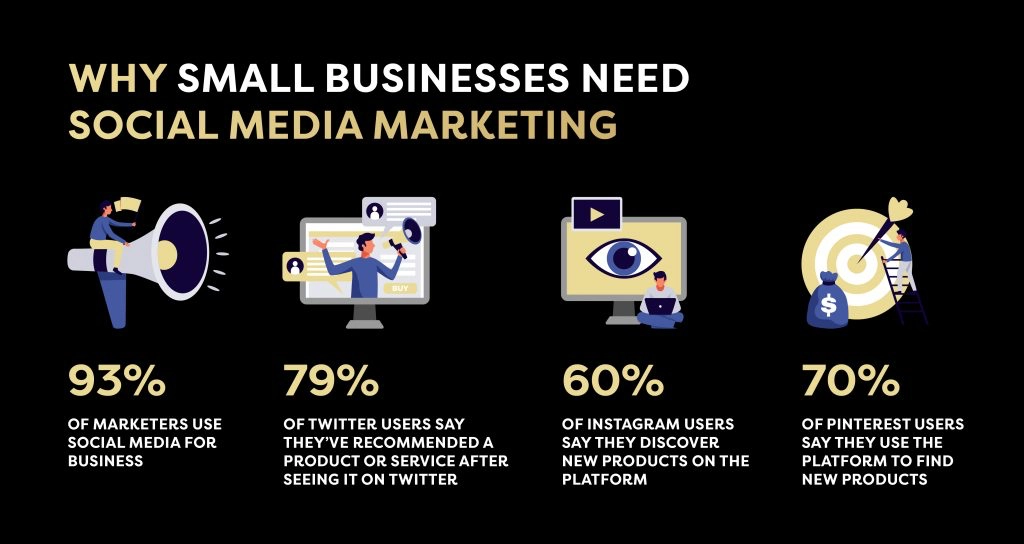
At its core, social media marketing for small business involves using social platforms to promote products or services, build relationships with customers, and strengthen brand identity. Unlike traditional advertising, social media focuses on two-way communication rather than one-way promotion.
Small businesses benefit because social media allows direct interaction with customers, instant feedback, and organic reach through shares and engagement. With proper planning, even limited resources can generate meaningful results.
Why Social Media Matters for Small Businesses
The importance of social media marketing for small business lies in its ability to deliver visibility and credibility simultaneously. Consumers often check a brand’s social presence before making a purchase decision. An active and authentic profile signals trust, relevance, and professionalism.
Social media also supports customer service, community building, and long-term brand loyalty. Small businesses that engage consistently are more likely to stay top-of-mind with their audience.
Key Benefits of Social Media Marketing for Small Business
Social media offers a range of advantages that are particularly valuable for small enterprises operating with limited budgets.
-
Cost-effective brand awareness compared to traditional advertising
-
Direct communication with customers and prospects
-
Increased website traffic and lead generation
-
Stronger brand personality and local presence
-
Real-time insights into customer behavior and preferences
Choosing the Right Platforms for Small Businesses

Not every platform is right for every business. A strategic approach to social media marketing for small business starts with selecting platforms where your audience already spends time.
Facebook for Small Businesses
Facebook remains a powerful platform for community building, local marketing, and customer interaction. It supports long-form posts, groups, events, and advertising options tailored for small budgets.
Instagram for Visual Storytelling
Instagram is ideal for visually driven brands. Small businesses use images, reels, and stories to showcase products, behind-the-scenes content, and customer testimonials.
LinkedIn for Professional Services
For B2B companies and consultants, LinkedIn plays a critical role in social media marketing for small business by establishing authority, networking, and lead generation.
Twitter (X) for Real-Time Engagement
Twitter is effective for quick updates, customer support, and participating in trending conversations relevant to your industry.
Emerging Platforms and Niche Channels
Depending on your audience, niche platforms may provide higher engagement with less competition, making them valuable additions to a focused strategy.
Table 1: Social Media Platforms and Their Best Uses for Small Businesses
| Platform | Best For | Content Type | Ideal Business Type |
|---|---|---|---|
| Community & local marketing | Posts, videos, groups | Retail, services, local shops | |
| Visual branding | Images, reels, stories | E-commerce, creatives | |
| Professional networking | Articles, updates | B2B, consultants | |
| Real-time communication | Short posts, threads | News, tech, service brands | |
| Discovery and inspiration | Pins, guides | Lifestyle, home, fashion |
Setting Clear Goals for Social Media Success
A common mistake in social media marketing for small business is posting content without clear objectives. Goals provide direction and make success measurable.
Typical goals include increasing brand awareness, generating leads, driving website traffic, improving customer service, or boosting sales. Each goal requires different content formats and engagement tactics.
Developing a Social Media Strategy for Small Business

A strategy ensures consistency and prevents wasted effort. Effective social media marketing for small business strategies focus on alignment between business goals and audience needs.
Defining Your Target Audience
Understanding who your customers are, what problems they face, and how they use social media is the foundation of any successful plan.
Crafting a Brand Voice
Your tone should reflect your brand personality—friendly, professional, educational, or entertaining. Consistency builds recognition and trust.
Content Planning and Scheduling
Posting regularly without overwhelming your audience is essential. Planning content in advance improves quality and reduces stress.
Content Types That Work Best for Small Businesses
Content diversity keeps your audience engaged. Social media marketing for small business thrives on value-driven content rather than constant promotion.
Educational posts position your brand as an expert. Entertaining content increases shareability. User-generated content builds trust, while promotional posts drive conversions when used sparingly.
Storytelling in Social Media Marketing for Small Business
Storytelling transforms ordinary posts into meaningful experiences. Sharing your business journey, customer success stories, and daily operations humanizes your brand.
For small businesses, storytelling is a competitive advantage. It highlights authenticity, which resonates strongly with modern consumers.
Building Engagement and Community
Engagement is the heartbeat of social media marketing for small business. Likes, comments, and shares signal relevance and help content reach more users organically.
Responding to comments, asking questions, and acknowledging followers create a sense of community. Active engagement strengthens customer relationships and brand loyalty.
Table 2: Common Social Media Metrics for Small Businesses
| Metric | What It Measures | Why It Matters |
|---|---|---|
| Reach | Number of people who see posts | Brand visibility |
| Engagement Rate | Likes, comments, shares | Audience interest |
| Click-Through | Link clicks | Traffic and lead potential |
| Follower Growth | New audience size | Brand expansion |
| Conversion Rate | Actions taken | Revenue and goal achievement |
Paid Advertising and Small Business Growth
While organic reach is valuable, paid promotion can amplify social media marketing for small business results. Even small budgets can target specific demographics, locations, and interests.
Paid campaigns are especially effective for product launches, seasonal promotions, and lead generation. Testing and optimization ensure maximum return on investment.
Budgeting for Social Media Marketing
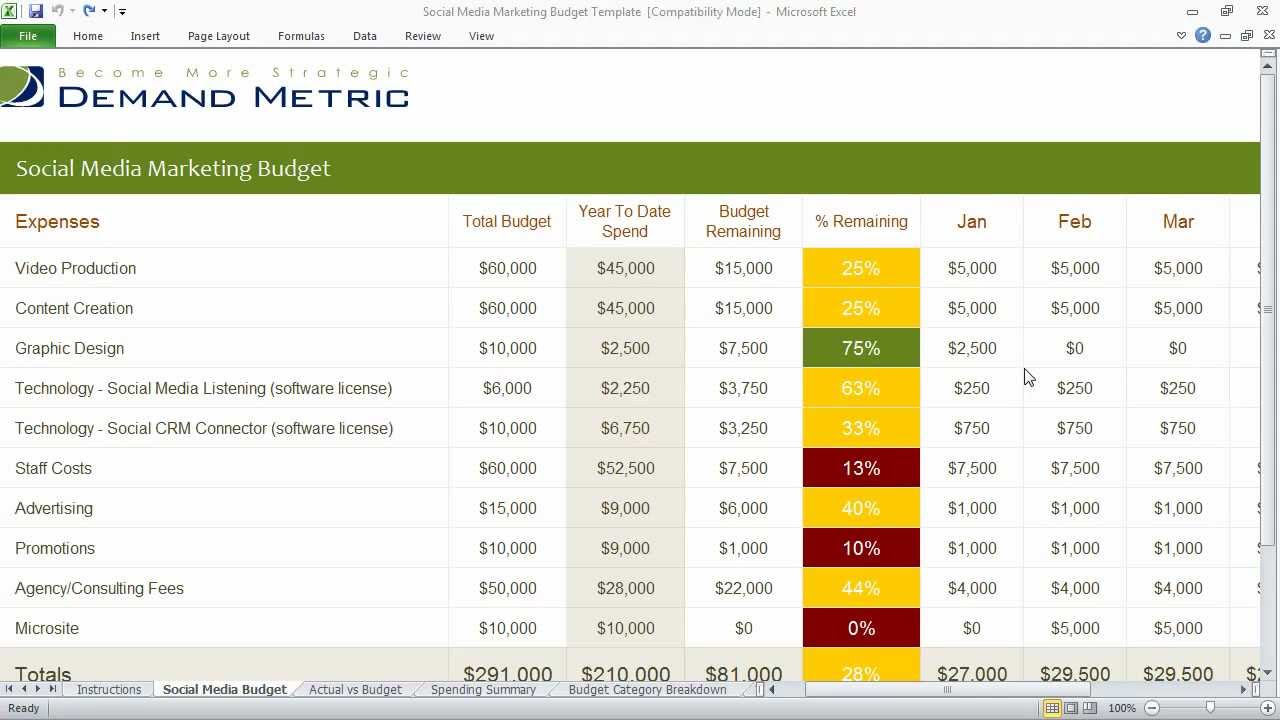
Budgeting does not mean spending excessively. Many small businesses allocate modest funds toward content creation, tools, and occasional advertising.
A realistic budget balances organic efforts with paid support, allowing social media marketing for small business to grow sustainably.
Measuring and Analyzing Performance
Data-driven decisions improve outcomes. Regular analysis reveals what content resonates and what needs improvement.
Tracking metrics ensures that social media marketing for small business aligns with goals and delivers measurable value.
Common Mistakes Small Businesses Should Avoid
Many small businesses struggle because they treat social media as an afterthought. Inconsistent posting, ignoring engagement, and focusing only on sales can limit success.
Avoiding shortcuts and committing to long-term value creation strengthens your overall approach.
Integrating Social Media with Other Marketing Channels
Social media works best when integrated with email marketing, content marketing, and offline efforts. Cross-promotion increases reach and reinforces brand messaging.
An integrated approach ensures social media marketing for small business supports broader business objectives rather than operating in isolation.
Building Long-Term Success Through Consistency
Consistency is more important than perfection. Posting regularly, maintaining brand voice, and engaging authentically compound results over time.
Small businesses that stay committed to social media marketing for small business often see gradual but sustainable growth.
The Future of Social Media Marketing for Small Business
As platforms evolve, opportunities for small businesses continue to expand. Short-form video, personalization, and community-driven content are shaping the future.
Remaining adaptable ensures that social media marketing for small business remains effective despite changing trends and algorithms.
Conclusion
Social media marketing for small business is one of the most powerful tools available to entrepreneurs today. It combines affordability, reach, and relationship-building in a way no other channel can.
By choosing the right platforms, setting clear goals, creating valuable content, and measuring performance, small businesses can turn social media into a consistent growth engine. Success does not happen overnight, but with strategy and commitment, social media can become a defining advantage for your business.
Read More:- Professional Development Courses: Skills, Career Growth, and Lifelong Learning