Introduction
Few experiences on earth rival the raw, untamed beauty of a Tanzania safari. Nestled in the heart of East Africa, Tanzania is home to some of the most spectacular wildlife destinations on the planet — a land where vast golden savannahs stretch endlessly to the horizon, where ancient migration routes still pulse with the movement of millions of animals, and where the natural world continues to unfold with breathtaking grandeur. Whether you are a seasoned traveler or embarking on your first African adventure, Tanzania delivers a transformative encounter with nature that lingers in the memory long after you return home.
From the legendary Serengeti National Park to the wildlife-rich floor of the Ngorongoro Crater, and from the remote wilderness of the Selous to the tropical shores of Zanzibar, Tanzania offers an unparalleled diversity of landscapes, ecosystems, and experiences. This comprehensive guide explores everything you need to know to plan, prepare for, and make the most of your Tanzania safari — including the best parks to visit, the ideal time to travel, and the wildlife you can expect to encounter.
Why Tanzania Is the World’s Premier Safari Destination
Tanzania consistently ranks among the top safari destinations on earth, and for very good reason. The country encompasses approximately 38% of its total land area as protected national parks, game reserves, and conservation areas — a commitment to wildlife preservation that is virtually unmatched globally. With over 1,000 bird species, the Big Five (lion, leopard, elephant, rhinoceros, and Cape buffalo), and millions of wildebeest, zebra, and gazelle, Tanzania is a wildlife paradise of extraordinary magnitude.
What truly sets Tanzania apart is the sheer scale and authenticity of its wilderness. Unlike more tourist-saturated destinations, many Tanzanian parks still offer the sensation of genuine solitude amidst the wild — particularly in reserves such as Ruaha, Mahale Mountains, and the Selous (Nyerere National Park), where visitor numbers remain relatively modest and the bush feels genuinely untouched.
The Crown Jewels: Tanzania’s Top National Parks
1. Serengeti National Park
The Serengeti is, without question, the most iconic safari destination in the world. Covering an area of approximately 14,763 square kilometers, this UNESCO World Heritage Site is the setting for the Great Wildebeest Migration — a cyclical movement of over 1.5 million wildebeest, 250,000 zebra, and 400,000 Thomson’s gazelle across the Serengeti-Mara ecosystem. Witnessing the dramatic river crossings at the Mara River, where wildebeest plunge through crocodile-infested waters, is widely considered one of the greatest wildlife spectacles on the planet.
Beyond the migration, the Serengeti offers year-round big cat sightings. The central Seronera region is particularly famous for its dense concentration of lions and leopards, while the Ndutu area in the southern Serengeti provides extraordinary cheetah encounters during the calving season (December to March).
2. Ngorongoro Conservation Area
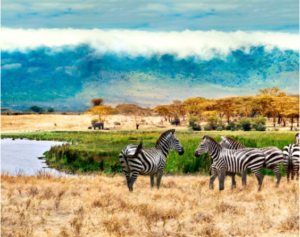
The Ngorongoro Crater is the world’s largest intact volcanic caldera and a natural enclosure for one of Africa’s densest concentrations of wildlife. Spanning 260 square kilometers, the crater floor supports approximately 25,000 large animals year-round, including the rare black rhinoceros — making it one of the best places on the continent to observe all of the Big Five in a single day. The unique geography of the crater creates a self-contained ecosystem that keeps animals — and safari vehicles — remarkably close together, resulting in exceptional photographic opportunities.
3. Tarangire National Park
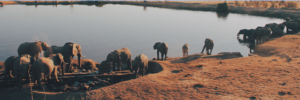
Often overlooked in favor of the more famous Serengeti, Tarangire is a hidden gem that rewards visitors with extraordinary elephant sightings. During the dry season (June to October), the Tarangire River becomes a critical water source for tens of thousands of animals, drawing elephant herds numbering in the hundreds alongside lions, leopards, oryx, and diverse bird life. The park’s dramatic baobab-dotted landscape adds a distinctive and visually stunning backdrop to any wildlife drive.
4. Selous Game Reserve (Nyerere National Park)
The Selous — now partially gazetted as Nyerere National Park — is one of the largest protected areas in Africa, covering over 50,000 square kilometers. Remote and wild, it is a favorite destination for those seeking an off-the-beaten-path safari experience. The reserve is renowned for its large hippo and crocodile populations along the Rufiji River, its thriving wild dog packs, and the opportunity to enjoy boat safaris and walking safaris alongside traditional game drives.
The Great Migration: Nature’s Most Spectacular Show
No discussion of Tanzania safari is complete without a deeper exploration of the Great Wildebeest Migration. This annual cycle is driven entirely by rainfall and the search for fresh grazing, and it follows a broadly predictable — though never guaranteed — clockwise loop through the Serengeti-Mara ecosystem.
- December to March: Calving season in the southern Serengeti and Ndutu plains. Hundreds of thousands of wildebeest calves are born within a three-week window, attracting lions, cheetahs, hyenas, and jackals.
- April to May: The herds begin moving northward through the central and western Serengeti as the long rains arrive.
- June to July: The western corridor sees the herds massing before the Grumeti River crossings.
- August to October: Peak drama at the Mara River as herds attempt dangerous crossings into the Masai Mara in Kenya before returning south.
- November: The short rains trigger the return migration south toward the Serengeti’s short grass plains.
Understanding this cycle is essential for timing your visit to coincide with the specific wildlife experience you most desire.
Best Time to Visit Tanzania
Tanzania’s safari seasons are largely defined by rainfall patterns:
Dry Season (June to October): This is widely regarded as the best overall time for wildlife viewing. Sparse vegetation makes animals easier to spot, waterholes become focal gathering points, and the risk of malaria is generally lower. This is peak travel season, so prices are higher and bookings should be made well in advance.
Green Season (November to May): The wet season brings lush landscapes, dramatic skies, and significantly fewer tourists. Birding is exceptional, as migratory species arrive from Europe and Asia. The Ndutu calving season (January to March) is a world-class wildlife spectacle. Accommodation rates are often considerably lower, making this an attractive option for budget-conscious travelers.
Safari Styles: Choosing the Right Experience
Tanzania accommodates a diverse range of safari styles and budgets:
Classic Game Drive: The traditional safari experience conducted from a 4WD Land Cruiser or similar vehicle, typically at dawn and dusk when animals are most active. The majority of Tanzanian safaris are built around this format.
Walking Safari: Available in select parks and conservancies, guided walking safaris offer an intimate, ground-level perspective on the bush. This style of safari is particularly popular in the Selous and Ruaha.
Balloon Safari: A sunrise hot air balloon flight over the Serengeti is one of the most iconic and unforgettable wildlife experiences available anywhere in Africa, offering an extraordinary aerial perspective on the landscape and its inhabitants.
Boat Safari: The Rufiji River in the Selous and the waterways of Lake Manyara offer excellent boat safaris, particularly for birdwatching and spotting hippos, crocodiles, and waterside predators.
Key Takeaways
- Tanzania protects nearly 38% of its land area as national parks, game reserves, and conservation zones — making it one of the world’s most committed wildlife conservation nations.
- The Great Wildebeest Migration is an annual cycle involving over 1.5 million wildebeest and is widely regarded as the greatest wildlife spectacle on earth.
- The Big Five — lion, leopard, elephant, rhinoceros, and Cape buffalo — can all be observed in Tanzania, with the Ngorongoro Crater offering particularly high success rates.
- The best time to visit for general wildlife viewing is the dry season (June to October), though the calving season (January to March) in the southern Serengeti offers extraordinary predator-prey encounters.
- Tanzania caters to all budgets and travel styles, from ultra-luxury tented camps to mid-range lodges and budget camping safaris.
- Conservation and responsible tourism are central to Tanzania’s safari industry; choosing certified, ethical operators directly supports wildlife protection and local communities.
- Combining a safari with a visit to Zanzibar is one of Africa’s most popular travel combinations, offering a perfect contrast between bush adventure and tropical relaxation.
Q&A: Your Tanzania Safari Questions Answered
Q: Do I need a visa to visit Tanzania? A: Most nationalities require a visa to enter Tanzania. Citizens of many countries can obtain a Tourist Visa on arrival at major entry points including Julius Nyerere International Airport in Dar es Salaam and Kilimanjaro International Airport. Online e-visas are also available. Always verify current visa requirements with the Tanzanian High Commission or embassy in your country before travel.
Q: Is Tanzania safe for tourists? A: Tanzania is generally considered one of Africa’s safer and more politically stable nations. The safari regions are well-managed and regularly visited by international travelers. As with any destination, standard travel precautions apply — avoid displaying valuables in public, use reputable transport, and follow your guide’s instructions at all times in wildlife areas.
Q: What vaccinations do I need before visiting Tanzania? A: Yellow fever vaccination is required if you are arriving from a yellow fever endemic country. It is strongly recommended for all travelers regardless. Malaria prophylaxis is highly advisable, particularly during the wet season. Additional recommended vaccinations include typhoid, hepatitis A and B, and tetanus. Always consult a travel health clinic or physician at least six weeks before departure.
Q: How much does a Tanzania safari cost? A: The cost of a Tanzania safari varies enormously depending on the style, duration, season, and accommodation tier chosen. Budget camping safaris in the Northern Circuit can start from approximately USD $150–$200 per person per day. Mid-range lodge safaris typically range from USD $300–$600 per person per day, while luxury and ultra-luxury experiences can command USD $800–$2,500+ per person per day. These prices generally include accommodation, meals, game drives, and park fees.
Q: Can I combine a Tanzania safari with climbing Mount Kilimanjaro? A: Absolutely. Mount Kilimanjaro — Africa’s highest peak at 5,895 meters — is located in northeastern Tanzania and is one of the world’s most accessible high-altitude trekking destinations. Many travelers combine a Kilimanjaro climb (typically six to nine days) with a post-summit safari in the Serengeti or Ngorongoro. Operators throughout the region offer combined packages.
Q: What is the best park for first-time safari visitors? A: The Serengeti and Ngorongoro Crater together form the classic first-time Tanzania safari combination. Both parks offer exceptional, near-guaranteed wildlife encounters, well-developed tourism infrastructure, and a range of accommodation options at every price point. Tarangire National Park is also highly recommended as an addition to this Northern Circuit itinerary.
Q: What should I pack for a Tanzania safari? A: Neutral-colored, lightweight clothing in khaki, green, and beige tones is strongly recommended. Key items include a wide-brimmed hat, polarized sunglasses, high-factor sunscreen, insect repellent containing DEET, a lightweight fleece or jacket (mornings and evenings can be cold, especially at altitude), a quality camera with a telephoto lens, and sturdy walking shoes or boots.
Conclusion
A Tanzania safari is far more than a holiday — it is a journey into one of the last truly wild places on earth, a direct encounter with nature at its most powerful and unfiltered. Whether you stand on the rim of the Ngorongoro Crater at dawn and watch the mist rise over a landscape teeming with life, or find yourself breathless at the sight of ten thousand wildebeest thundering toward the Mara River, Tanzania has an extraordinary power to remind us of what the world once was — and what, through dedicated conservation and responsible tourism, it can continue to be.
As tourism to Tanzania continues to grow, the choices travelers make — the operators they select, the lodges they support, the communities they engage with — carry real consequences for the wilderness that makes this destination so remarkable. Choose thoughtfully, travel responsibly, and Tanzania will reward you with experiences that no camera can fully capture and no words can entirely describe.