Adolescence (TV series) reviews are one of the most talked-about things among both TV reviewers and viewers. This Netflix limited series, which tells a heartbreaking story of growing up, family, and social constraints, has led to serious discussions and divided viewpoints. This page gives a full summary of reviews of the TV show Adolescence, focusing on what critics liked, what audiences thought, the topics, the acting, and what people didn’t like. This guide will tell you everything you need to know about why this show has become so popular around the world, whether you are a fan or just curious.
An introduction to adolescence and how it is received
The story is about Jamie Miller, a 13-year-old child who is accused of a serious crime and how it affects his family and neighborhood. The way the tale is told has been different since the first episode, with protracted single-take scenes that make the plot more tense and immersive. Many reviews of the TV show Adolescence have said that these creative decisions are both new and hard for viewers to understand.
Most critics have complimented the program for how bold it is in terms of film, how deep it is emotionally, and how willing it is to tackle difficult societal themes. However, the opinions from the audience are more mixed, which makes the examination of Adolescence (TV series) reviews more interesting.
Adolescence (TV Series) Reviews: Emotional Depth and Acting Got a Lot of Praise
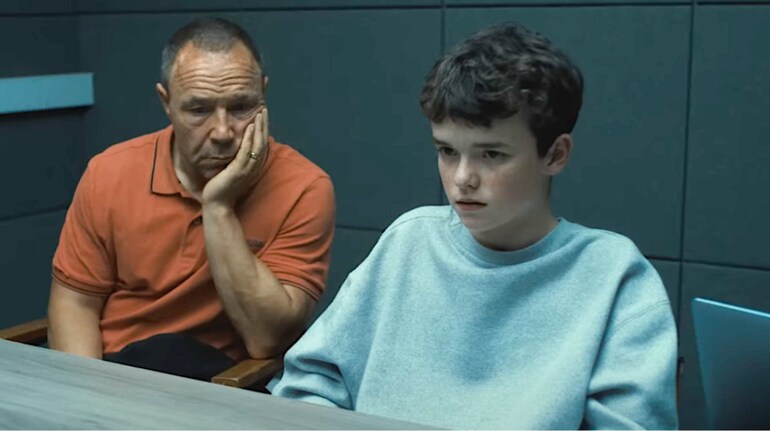
One thing that comes up a lot in evaluations of the TV show Adolescence is how good the acting is. Owen Cooper, who plays Jamie, has been praised for bringing a complex and real presence to the screen, showing his character’s perplexity, guilt, and inner torment. People have also applauded the supporting actors, such Erin Doherty as the family therapist, for making their roles more emotive.
Critics have called the performance “mesmerizing” and “rawly authentic,” and they have praised the show for not shying away from exposing the darker, often difficult parts of being a teenager. Almost all reviewers of Adolescence (TV series) have said the same thing: the acting is one of the show’s best features.
Storytelling and Cinematic Technique
A lot of reviews of Adolescence (TV series) talk about the show’s cinematic approach. Long, unbroken takes make each scene feel real and immediate, drawing viewers right into the suspense. This technique is not common, but it has been praised for making the story better and having the viewer feel the weight of each moment.
Some critics have said that this style is not often used on TV, but when it is done correctly, it makes the show feel like a play and draws you in. Adolescence (TV series) reviews often laud the way the tale is told, which blends character-driven drama with tense, scary moments.
Commentary on Society
The show does more than deliver a dramatic story; it also looks at important social issues. Toxic masculinity, the influence of social media, bullying, and the pressures that teens experience nowadays are all important parts of the story. Many reviews of the TV show Adolescence point out that it talks about these issues without being too harsh, showing events and their effects in a way that makes people think and talk about them.
How People Reacted to Adolescence (TV Series) Reviews
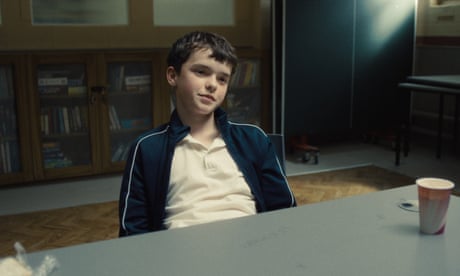
Reviews of Adolescence (TV series) show that critics generally liked it, but audience reactions are more mixed. A lot of people like the show because it honestly shows how teenagers feel and what they go through. They like that the show isn’t afraid to deal with hard topics and that the actors bring complicated characters to life.
Some viewers, nevertheless, have said that the pacing sometimes feel slow because of the long single-take scenes. Some people think that the show’s themes are too heavy-handed at times because they try to deal with too many social concerns at once. Adolescence (TV series) evaluations always demonstrate that the show has a big effect on certain viewers and is hard to watch for others.
Important Ideas in Reviews of Adolescence (TV Series)
Family and emotional problems
A common theme in reviews of Adolescence (TV series) is how the show looks at family relationships. The show shows how parents, siblings, and other family members deal with dread, shame, and sadness as they try to comprehend why a kid is accused of a major crime. Critics always laud how the show shows how complicated and emotional family ties can be when things are really bad.
Peer and social media influence
Another thing that comes up a lot in evaluations of the TV show Adolescence is how social media and peer culture affect teens. The series shows how bullying, online interactions, and digital pressure can make things worse for teens, giving a realistic picture of modern teenage culture. This part has gotten people talking, and many have said that the show is relevant to societal issues today.
Justice, Responsibility, and Moral Uncertainty
The show also looks at issues of morality, responsibility, and how society judges people. Many evaluations of the TV show Adolescence say that it is good because it doesn’t give easy answers and lets viewers deal with moral ambiguity along with the characters. Some reviewers say that this nuanced approach is one of the reasons why the series has been praised and criticized.
Awards and Recognition in the Industry
Reviews of the TV show Adolescence often talk on how well it did at award shows. The sitcom has won and been nominated for several top television awards for its acting, directing, and screenplay. The praise from those in the industry matches the good things that critics have said about the show, which shows that it is both good and important to culture.

Critiques in Reviews of Adolescence (TV Series)
Even though many people love Adolescence (TV series), the reviews do provide some helpful criticisms:
- Pacing and Narrative Flow: Some critics and viewers think that the sluggish pacing and long sequences, while engrossing, can try your patience and make the story less tense.
- Heavy Themes: Some reviews of Adolescence (TV series) say that the show tries to deal with too many social concerns at once, which can be too much to handle.
- Viewer Disconnect: Some viewers say they have trouble relating with the characters because of the strong emotional content or stylistic choices, which has been noted in several reviews.
These reviews show that the series is groundbreaking and important, but it’s not always simple to watch. It requires the viewer to think about what they’re seeing.
Conversations and cultural impact
Reviews of the TV show “Adolescence” generally talk about how it affects culture as a whole. The show has also spurred talks on parents, holding teens accountable, the effects of social media, and the stress that teens now face.
Teachers and parents have used the series to start conversations, and reviewers and observers have argued about how it handles sensitive topics. Many evaluations of the Adolescence (TV series) say that one of the best things about it is how well it gets people to talk about important issues. This shows that it is more than just a show.
In conclusion
In conclusion, the evaluations of Adolescence (TV series) show that it is a bold, dramatic, and thought-provoking show. Critics like its acting, cinematography, and willingness to tackle tough social topics. Audiences also see its power and its problems.
The series has gotten people talking, made them feel things, and pushed the limits of how stories are told. It’s one of the most talked-about TV events in recent years. Adolescence (TV series) reviews show that this show is an important cultural work that will continue to shape conversations about adolescence, family, and society for years to come, whether people like it or not.
Read More:- Adolescence Cast – Full Guide to Netflix’s Crime Drama Ensemble