Introduction
In today’s fast-paced digital world, the way professionals connect, share information, and build relationships has changed dramatically. Traditional paper cards are no longer enough to keep up with modern networking demands. This shift has led to the rise of online business cards, a smarter, more flexible, and more sustainable way to share professional identity. As businesses, freelancers, and entrepreneurs embrace digital transformation, online solutions are becoming essential tools rather than optional extras.
This comprehensive guide explores online business cards in depth, covering their meaning, benefits, types, features, use cases, and future potential. Whether you are a startup founder, corporate executive, or independent professional, understanding how digital cards work can significantly enhance your personal and professional brand.
What Are Online Business Cards

Online business cards are digital versions of traditional paper business cards that store and share professional information electronically. Instead of handing out a printed card, users share a link, QR code, or digital profile that contains contact details, social media links, company information, and sometimes multimedia content.
Unlike static paper cards, online business cards can be updated instantly. This means changes to phone numbers, job titles, or company branding do not require reprinting. As a result, they provide a dynamic and efficient way to manage professional identity in a connected world.
The Evolution from Paper to Digital Networking
For decades, paper business cards were a symbol of professionalism. However, they also came with limitations such as limited space, high printing costs, and environmental waste. As smartphones and cloud technologies advanced, digital alternatives emerged to solve these problems.
Online business cards represent the natural evolution of networking tools. They align with modern work environments where remote collaboration, virtual meetings, and global connections are common. Professionals can now share their details instantly across borders without worrying about physical limitations.
Why Online Business Cards Matter Today

The importance of online business cards goes beyond convenience. They play a strategic role in branding, communication, and relationship building. In an era where first impressions often happen online, a well-designed digital card can convey credibility, creativity, and professionalism within seconds.
Additionally, online business cards support eco-friendly practices by reducing paper usage. This aligns with sustainability goals that many organizations and individuals prioritize today.
Key Benefits of Online Business Cards
Online business cards offer several advantages that make them superior to traditional cards in many scenarios.
-
They allow instant sharing through links, QR codes, or messaging apps
-
They can be updated in real time without additional costs
-
They support multimedia content such as images, videos, and clickable links
-
They enhance brand visibility with customizable designs
-
They contribute to environmental sustainability by reducing paper waste
These benefits explain why professionals across industries are rapidly adopting digital networking solutions.
Features That Define High-Quality Online Business Cards
Not all digital cards are the same. High-quality online business cards typically include a range of features that enhance usability and impact.
Customizable Design and Branding
A strong digital card reflects personal or corporate branding. Custom colors, logos, fonts, and layouts help create a consistent professional image that aligns with brand identity.
Interactive Contact Information
Unlike printed cards, online business cards allow users to click on phone numbers, email addresses, or website links directly. This reduces friction and encourages immediate interaction.
QR Code Integration
QR codes make sharing online business cards effortless during in-person meetings, conferences, or events. A quick scan instantly opens the digital profile on any smartphone.
Analytics and Insights
Some platforms provide analytics that show how often a card is viewed or shared. These insights help professionals measure networking effectiveness and improve outreach strategies.
Types of Online Business Cards
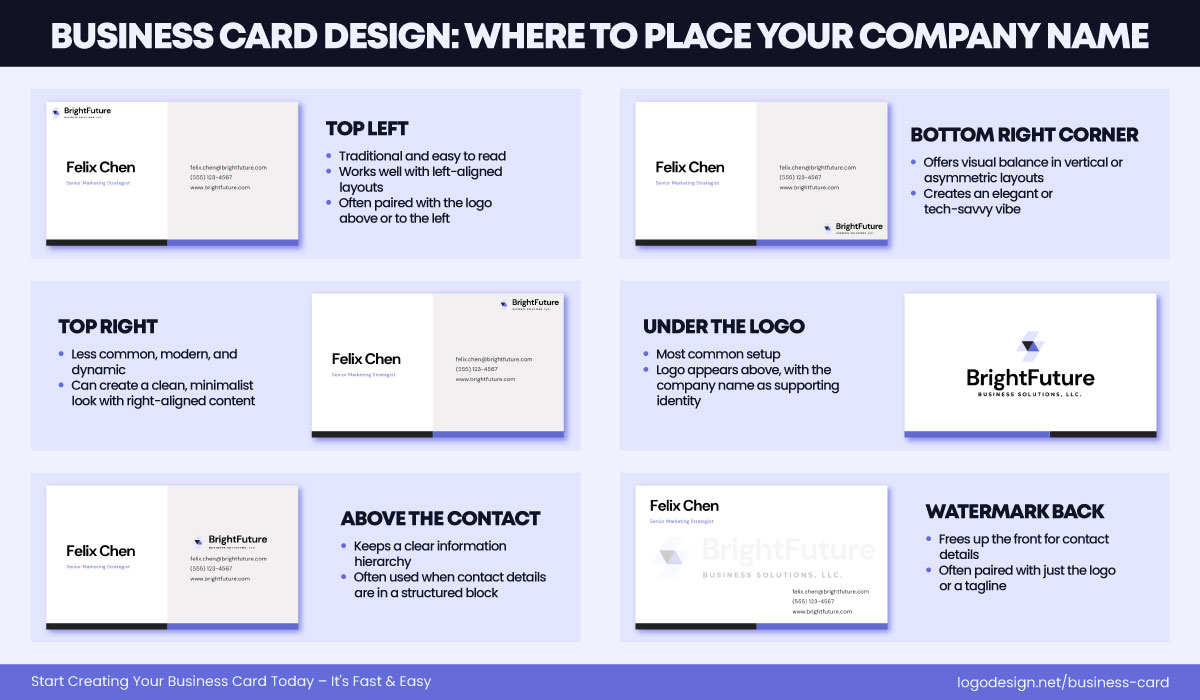
Online business cards come in different formats depending on usage needs and professional goals.
Personal Digital Cards
Designed for freelancers, consultants, and individuals, personal digital cards focus on showcasing skills, portfolios, and contact details in a simple yet professional format.
Corporate Digital Cards
Organizations use corporate digital cards to maintain brand consistency across teams. These cards often include standardized layouts and centralized management features.
Event-Specific Digital Cards
For conferences, trade shows, or networking events, temporary digital cards can be created to share relevant information and follow-up links.
Comparison of Traditional and Online Business Cards
The table below highlights key differences between paper cards and online business cards.
| Aspect | Traditional Business Cards | Online Business Cards |
|---|---|---|
| Update Flexibility | Requires reprinting | Instant updates |
| Sharing Method | Physical exchange | Digital links or QR codes |
| Cost Efficiency | Printing and reprints | Mostly low or subscription-based |
| Environmental Impact | Paper waste | Eco-friendly |
| Information Capacity | Limited space | Unlimited content |
How Online Business Cards Enhance Professional Branding
Professional branding is no longer limited to logos and websites. Online business cards act as mini digital profiles that communicate value instantly. A clean design, clear messaging, and consistent branding elements help establish trust and recognition.
By using online business cards strategically, professionals can reinforce their expertise, showcase achievements, and create memorable first impressions. This is especially important in competitive industries where differentiation matters.
Use Cases Across Industries
Online business cards are versatile tools that benefit professionals across various sectors.
Corporate Professionals
Executives and managers use online business cards to streamline networking at meetings, seminars, and corporate events. Digital sharing saves time and ensures accuracy.
Freelancers and Creatives
Designers, writers, and developers benefit from showcasing portfolios, social profiles, and testimonials directly within their digital cards.
Sales and Marketing Teams
Sales professionals leverage online business cards to include product links, calendars, and call-to-action buttons, improving lead engagement.
Startups and Entrepreneurs
For startups, online business cards provide a cost-effective way to establish a professional presence while remaining agile and adaptable.
Table: Common Elements Included in Online Business Cards
| Element | Purpose | Professional Impact |
|---|---|---|
| Name and Title | Identity clarity | Builds credibility |
| Contact Details | Easy communication | Encourages outreach |
| Company Logo | Brand recognition | Enhances trust |
| Social Links | Extended presence | Expands networking |
| Call-to-Action | Next step guidance | Increases engagement |
Security and Privacy Considerations
While online business cards offer convenience, security and privacy are important considerations. Professionals should ensure that their digital information is hosted on secure platforms with proper data protection measures.
Privacy controls allow users to decide which details are visible publicly and which are shared selectively. This balance helps maintain professionalism without compromising personal security.
Best Practices for Creating Effective Online Business Cards

Creating an impactful digital card requires thoughtful planning. Clarity, simplicity, and relevance should guide design decisions. Overloading a card with unnecessary information can reduce effectiveness.
Consistency across platforms is also essential. The information on online business cards should align with websites, social media profiles, and email signatures to maintain a cohesive professional identity.
Role of Online Business Cards in Remote and Hybrid Work
The rise of remote and hybrid work environments has accelerated the adoption of online business cards. Virtual meetings, webinars, and online conferences require digital tools that support seamless networking.
Sharing online business cards during virtual interactions helps replicate the experience of exchanging contact information in physical settings. This ensures relationships can continue beyond the initial meeting.
Environmental Impact and Sustainability
Sustainability is a growing concern for businesses worldwide. Online business cards support eco-friendly practices by eliminating the need for paper production, printing, and disposal.
Organizations that adopt digital cards demonstrate environmental responsibility, which can enhance brand reputation and appeal to socially conscious clients and partners.
Measuring Networking Success with Digital Cards
Unlike traditional cards, online business cards can provide measurable data. View counts, click-through rates, and engagement metrics offer valuable insights into how contacts interact with shared information.
These metrics allow professionals to refine their networking strategies, follow up more effectively, and focus on high-value connections.
Future Trends in Online Business Cards
The future of online business cards looks promising as technology continues to evolve. Integration with artificial intelligence, customer relationship management systems, and augmented reality could further enhance digital networking experiences.
As professionals seek smarter ways to connect, online business cards will likely become standard tools across industries rather than niche solutions.
Challenges and Limitations
Despite their advantages, online business cards may face challenges such as digital accessibility issues or resistance from individuals who prefer traditional methods. However, these challenges are gradually diminishing as digital literacy increases globally.
Education and user-friendly design play key roles in overcoming these limitations and encouraging widespread adoption.
Why Online Business Cards Are a Smart Investment
Investing in online business cards is not just about following trends. It is about adopting a practical solution that improves efficiency, branding, and sustainability.
Professionals who embrace digital networking tools position themselves as forward-thinking and adaptable, qualities that are highly valued in modern business environments.
Conclusion
Online business cards have redefined how professionals connect and communicate in the digital age. By offering flexibility, interactivity, and sustainability, they address many limitations of traditional paper cards. From enhancing personal branding to supporting remote work and eco-friendly practices, their benefits are wide-ranging and impactful.
As digital transformation continues to shape professional interactions, online business cards stand out as essential tools for modern networking. By understanding their features, use cases, and best practices, professionals can leverage them effectively to build stronger, more meaningful connections in an increasingly connected world.
Read More:- Capital One Shopping Login Guide: Features, Benefits, and Secure Access