Introduction
Learning can’t stop after school in today’s fast-paced professional world. Professionals need to keep their skills up to date because of new technologies, changing business models, and changing expectations at work. This is where classes for professional growth come in. The goal of these courses is to help people improve their current skills, learn new ones, and stay competitive in their jobs.
It’s no longer optional to grow professionally; it’s a must. Companies want their workers to be more adaptable, creative, and strategic than ever before. People also want occupations that are meaningful, pay well, and make them happy. Professional development courses fill this gap by offering structured learning opportunities that are relevant to real-world needs.
This in-depth article looks at the idea, significance, kinds, advantages, and future of professional development courses. It makes it obvious why they are important and how they help people succeed in the long run. Taking the effort to learn new skills can change the course of your career, whether you are a student, a new professional, a manager, or an executive.
What are Professional Development Courses

Professional development courses are basically classes that teach you new skills, information, and abilities that will help you do your work better. These courses are different from standard academic degrees since they emphasize on how to use what you learn in real life rather than just learning about it. They usually last less time, have flexible structures, and are in line with certain career goals.
There are various ways to learn professionally, such as through workshops, certifications, seminars, online modules, and blended programs. The major goal is to make sure that professionals stay up-to-date and skilled in their specialties. Many people in fields like education, healthcare, technology, business, finance, and public administration take professional development courses.
These classes don’t just teach you technical skills. They also teach soft skills, how to be a leader, how to communicate, how to be emotionally intelligent, and how to think strategically. In a work market where there is a lot of competition, companies are more likely to hire people who are always learning and growing in their careers.
Why Professional Development Is Important in Today’s Jobs
The workplace today is always changing. Automation, AI, and globalization are changing employment positions faster than ever before. Some skills that were useful ten years ago may no longer be. Courses for professional development assist people stay up to date with these developments and get ready for future needs.
Learning all the time shows that you are flexible and dedicated. Employers generally see taking part in professional learning as a sign of motivation and leadership potential. These classes can help people get promotions, pay raises, switch careers, and be happier at work.
Professional growth also helps you feel better about yourself. People feel better ready to take on new challenges and responsibilities when they learn new skills and information. Professional development courses give students the tools they need to shape their own careers instead of just responding to change.
The Main Goals of Professional Development Courses Include
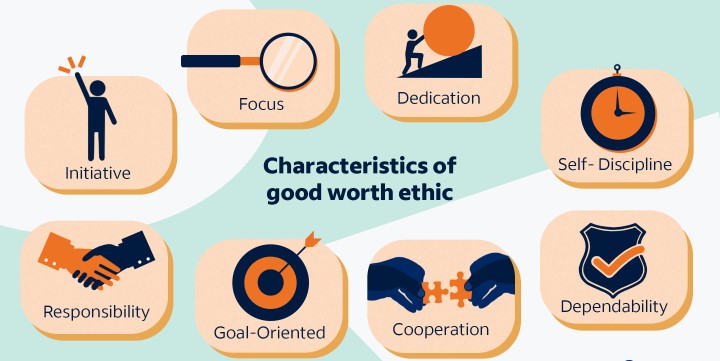
The main goals of professional development courses go beyond just learning new skills. The goal of these programs is to make sure that people improve in ways that are good for the company and the industry. Learners can pick the best courses for them if they know what these goals are.
Some of the main goals are to improve performance, boost leadership skills, increase specialized knowledge, and help people go up in their careers. Courses are also meant to make people think critically, make moral choices, and come up with new ideas.
Many professional learning programs stress the need of learning for life. Professional development courses don’t see education as a one-time event. Instead, they see it as an ongoing process of progress that changes over time.
Different Kinds of Professional Development Courses
There are many various types of professional development courses, each aimed at a specific stage of your career or a specific goal. Knowing the primary groups might help students figure out what works best for them.
Courses Based on Skills
Courses centered on skills focus on teaching students how to do things like analyze data, manage projects, market online, or communicate. These are generally practical and hands-on, so students may use what they learn right away in their professions.
Classes on Leading and Managing
Professional development courses that focus on leadership are meant to get people ready for supervisory or executive positions. Some of the topics that may come up are strategic planning, managing a team, resolving conflicts, and how people behave in organizations.
Courses for a Certain Field
A lot of jobs need people with particular knowledge. Courses that are specific to an industry teach the rules, technical standards, and best practices that are unique to that sector, such as healthcare, education, engineering, or finance.
Programs for certification and credentials
Professional development courses that lead to certification give formal validation of abilities and knowledge. These certifications might make you more credible and help you get a job in competitive fields.
Courses on personal growth and soft skills
People in the workplace are putting more and more significance on soft skills. Courses like communication, emotional intelligence, time management, and flexibility help people grow as professionals in a well-rounded way.
Benefits of Continuing Education Classes for People

People at different stages of their careers can benefit from taking professional development courses. One of the best things about it is that it lets you move along in your profession. People who keep learning new skills are more likely to get promotions or change jobs.
Another good thing is that it makes you feel more sure of yourself. Professionals may do their jobs better when they learn new things and get better at using new tools. These classes also help people make more professional connections because students typically talk to other students, teachers, and professionals in the field.
There are also significant financial rewards. Studies suggest that those who keep studying likely to make more money over time. So, you may think of professional development courses as a way to invest in your personal and financial success over the long term.
Advantages of Professional Development Classes for Businesses
Companies also benefit a lot when their workers take professional development courses. Employees that are skilled are more productive, creative, and involved. A culture of improvement is created by continuous learning, which can make an organization work better.
Programs for professional development lower the number of employees who leave. Employees are more likely to feel appreciated and stay loyal when their companies encourage their growth and development. Professional development classes also assist companies keep ahead of the competition by making sure their workers have the most up-to-date skills.
Also, leadership development programs make sure that there will be future leaders. Companies get ready for succession planning and long-term success by investing in professional development.
Table 1: Common Types of Professional Development Courses
| Category | Focus Area | Typical Learners | Key Outcomes |
|---|---|---|---|
| Skill-Based | Technical and practical skills | Early to mid-career professionals | Improved job performance |
| Leadership | Management and leadership abilities | Supervisors and managers | Stronger leadership capacity |
| Industry-Specific | Field-related knowledge | Specialized professionals | Compliance and expertise |
| Certification | Formal credentials | Career-focused individuals | Enhanced credibility |
| Soft Skills | Communication and personal growth | All professionals | Better collaboration |
How Professional Development Courses Can help You Change Careers
More and more people are changing careers. Professionals may switch jobs, fields, or career trajectories many times during the course of their working careers. Courses for professional development give you an organized way to learn new skills and information that will help you make these changes.
For instance, someone who is going from being an individual contributor to a manager could need training in how to lead. Professionals who are changing fields might also take specific courses to learn about new standards and practices. Professional development courses lower the risks of changing careers by being flexible and useful.
These courses also help professionals find new interests without having to commit to long-term degree programs. People can try out various job paths using short-term learning opportunities before making big choices.
The Role of Technology in Courses for Professional Development
Technology has changed the way professional development courses are taught. Digital resources, online learning platforms, and virtual classrooms have made it easier than ever to get a professional education. People can now take courses no matter where they are or when they want to.
Digital tools also help with tailored learning. Adaptive platforms can change the content to fit each person’s needs, making sure that learners focus on the areas where they need to improve the most. Simulations, discussion boards, and tests are examples of interactive elements that make people more interested.
Professional development courses that use technology can also be updated all the time, which keeps the content relevant in fields that change quickly.
How to Choose the Right Professional Development Courses
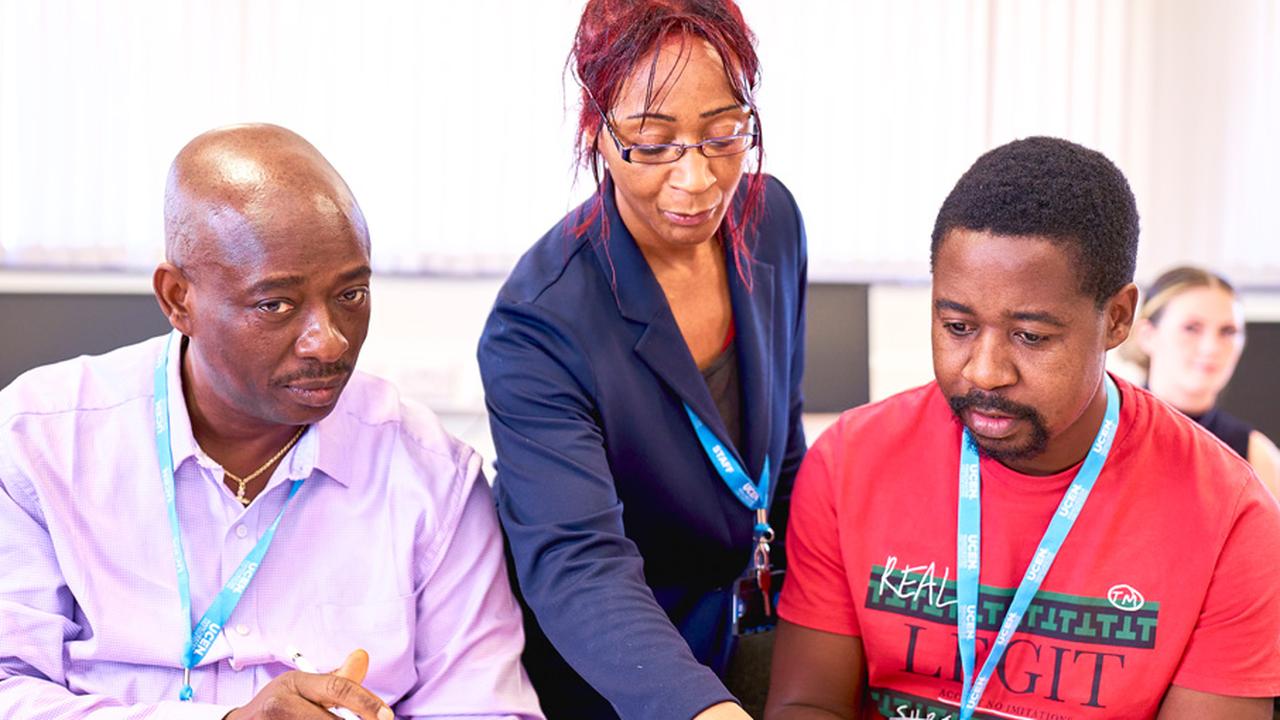
Choosing the right course is important if you want to get the most out of professional development. Professionals should first think about their long-term goals, existing skill gaps, and professional goals. Knowing your own goals lets you choose between several possibilities.
Relevance is an important factor. Courses for professional development should match what employers want and what you want to do with your career. Quality and trustworthiness are also vital since well-structured programs lead to higher results.
You should also think about how much time you have to learn and how you want to learn. Flexible alternatives help workers find the right balance between job, school, and personal life.
Five Important Benefits of Taking Professional Development Courses
- Improve your chances of getting a promotion and moving up in your career
- Boost self-esteem and work quality
- Help people adjust to new industries
- Make more money over time
- Promote learning and self-improvement for life
Table 2: Stages of a Career and the Best Courses for Professional Development
| Career Stage | Learning Focus | Example Outcomes |
|---|---|---|
| Entry-Level | Foundational skills | Job readiness |
| Mid-Career | Advanced expertise | Career advancement |
| Management | Leadership development | Effective team management |
| Senior-Level | Strategic thinking | Organizational impact |
| Career Transition | New skill acquisition | Successful role change |
Problems with Professional Development and How to Fix Them
There are many benefits to taking professional development courses, however professionals may have problems such not having enough time, not having enough money, or not knowing how valuable the course would be. It might be hard to balance employment and school.
To get over these problems, professionals should focus on learning that gives them the most bang for their buck. Making professional education easier to handle can be as simple as setting realistic goals and making a schedule for studying. Many companies can help by giving employees learning allowances or flexible hours.
Another problem is keeping people motivated. Choosing interesting professional development courses that match your interests will help you stay committed and excited.
What Will Happen to Professional Development Courses in the Future
The future of professional development courses is strongly linked to the future of work. As sectors change, professional learning will become even more important. Skills like digital literacy, emotional intelligence, and problem-solving will keep getting more important.
Microlearning, individualized learning trajectories, and competency-based education are anticipated to influence the forthcoming generation of professional education. These methods focus on efficiency and relevancy, so professionals may learn exactly what they need to know when they need to know it.
Lifelong learning will become more and more important for having a successful career. In a world that is always evolving, professional development courses will always be an important part of personal and professional progress.
Conclusion
In a time of constant change, the key to long-term success is to keep learning. People can learn, progress, and do well in changing work contexts by taking professional development courses. They give you useful skills, the ability to lead, and self-assurance that will help you move higher in your job.
Investing in professional learning makes employees more capable, engaged, and innovative for businesses. These classes can help people find career satisfaction, build resilience, and progress throughout their lives.
Professionals may make smart choices that will affect their futures if they know the importance, sorts, and benefits of professional development courses. In a world where learning never really stops, professional development is a great way to unlock your potential and keep your success going.
Read More:- Professional Development Institute: Advancing Skills, Careers, and Lifelong Learning