Rwanda is one of the few places on Earth where you can fly in, meet wild mountain gorillas and be home again within a long weekend. A 2 days gorilla trekking Rwanda trip strikes a practical balance. It is more relaxed than a same-day dash from Kigali, yet short enough for travellers with limited leave, stopovers or a tight budget.
This guide covers how a two-day trip works, a sample itinerary, costs, what to pack and how to book with confidence.
Why Choose a 2-Day Gorilla Trek in Rwanda?
It saves time without feeling rushed. Volcanoes National Park lies in the northwest, and one source describes it as a scenic drive of about three hours from Kigali. Spending a night near the park means you start your trek rested instead of after a pre-dawn drive.
It suits busy schedules. Business travellers, short-break visitors and people adding Rwanda to a longer East Africa journey can fit a two-day gorilla trek around other commitments.
It limits accommodation costs. One night in the Musanze area is far cheaper than a longer safari, while the permit stays the same price regardless of trip length.
The encounter is identical. Whether you spend two days or ten, the standard permit gives the same one-hour visit with a habituated family.
How a 2-Day Gorilla Trek Is Structured
Most two-day packages follow the same logic: travel to the park on day one, trek on day two and return to Kigali afterwards. The details change depending on your flight times and how early you arrive.
Sample Itinerary
Day 1: Kigali to Volcanoes National Park
Your driver-guide collects you from Kigali airport or your hotel, ideally in the morning. The drive north passes through rolling hills, terraced farmland and busy market towns. Many operators stop at a viewpoint or a local craft market along the way. You reach the Musanze region by early afternoon, check in at your lodge and spend the rest of the day relaxing or visiting a nearby cultural site. In the evening, your guide reviews the next day’s plan, the rules and the packing list.
Day 2: Gorilla trekking and return to Kigali
After an early breakfast, you drive to the park headquarters at Kinigi. Registration, a welcome with cultural entertainment and a ranger briefing take place there, and rangers assign you to a gorilla family. You then drive to the trailhead and hike with guides and trackers. A 2026 comparison notes that Rwanda treks generally take between 30 minutes and 4 hours. Once you find the family, you spend one hour observing and photographing them. After the hike back, you may receive a certificate and lunch, then drive back to Kigali, usually arriving in the evening.
If your flight leaves late, you might fit in a visit to the Kigali Genocide Memorial or a craft market. If it leaves early the next day, plan to stay overnight in Kigali.
Variations on the Two-Day Trip
Early-arrival version. If your flight lands early in the morning, some operators start the drive immediately and add a brief village or craft visit on day one.
Golden monkey add-on. With a flexible schedule, you can add golden monkey tracking on the afternoon of day one or the morning after the gorilla trek. These endangered primates live in bamboo forests and are easier and cheaper to see than gorillas.
Luxury version. Premium operators arrange helicopter transfers between Kigali and the park, turning a three-hour drive into a short flight, and place guests in high-end lodges with spa services.
Budget version. Group departures and simpler lodges reduce costs, although the permit price stays fixed.
Costs: What to Budget
The permit is the main expense. A Rwanda gorilla permit costs USD 1,500 per person, set by the Rwanda Development Board, and the price is reported to hold steady for 2026/2027. Another source confirms the figure for foreign non-residents, with lower rates for residents and East African citizens.
Beyond the permit, a two-day package includes:
- Accommodation: One night near the park. One 2026 guide lists mid-range lodges at $300 to $600 per night on full board, and luxury lodges from $1,200 to over $3,500. More basic options are available for lower budgets.
- Transport: A private 4×4 with a driver-guide, or shared transport on group departures.
- Meals: Often included with lodge stays.
- Porter and tips: Inexpensive but important.
- Insurance and visa: Check requirements for your nationality.
A rough rule is that the permit is likely to represent more than half of your total cost on a two-day trip, because there are few other expenses. Always request an itemised quote that states exactly what is included. Because gorilla trekking rules and prices can change between tariff periods, verify current rates for your travel dates.
What the Trek Is Really Like
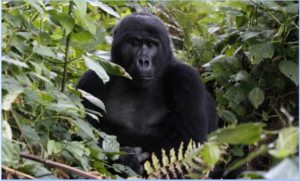
Gorilla trekking is a guided walk, not a casual stroll. Terrain in Volcanoes National Park includes farmland edges, bamboo forest and steep, often muddy slopes at altitude. A trek can be gentle or strenuous, depending on where the family spent the night.
Briefing and allocation. Rangers explain the rules and place visitors into groups of up to eight. A 2026 guide summarises the standard conditions as a minimum age of 15, a maximum of one hour with the gorillas and a limit of eight visitors per gorilla group. You can ask for an easier or harder family, but the park makes the final decision.
The approach. Trackers go ahead to locate the family, while you follow with a guide and, if you choose, a porter.
The hour. When you reach the gorillas, you leave extra equipment with your porter and approach quietly. You watch them feed, rest, groom and play, with silverbacks calmly overseeing the group and juveniles providing the entertainment.
The return. Hiking back often feels easier, helped by the glow of the experience.
Which Gorilla Families Might You See?
Volcanoes National Park has around a dozen fully habituated families. A park-based source says twelve gorilla families live in the park that are fully habituated, with a few more habituated only for research. Group names you may hear include Susa, Sabyinyo, Agashya, Amahoro, Kwitonda, Karisimbi, Hirwa, Umubano and Muhoza, although groupings change as families grow, split or rotate.
Your guide will explain the history, size and personality of your assigned family. Some are known for large numbers, others for notable silverbacks or playful youngsters.
Best Time for a 2-Day Trek
Gorillas can be trekked all year.
- Dry seasons (June to September and December to February): Trails are firmer, views are clearer and walking is generally easier. These are also the busiest months, so permits and lodges sell out early.
- Wet seasons (March to May and October to November): The forest is lush and visitor numbers are lower, but trails are muddier and more slippery.
Because a two-day trip leaves little room for rescheduling, book your permit as early as you can, especially for dry-season dates.
Packing List for a Short Trip
- Sturdy, broken-in hiking boots with good grip
- Long trousers and a long-sleeved shirt in muted colours
- Waterproof jacket and light layers for cool mornings
- Gardening gloves for steadying yourself on vegetation
- Hat, sunscreen and insect repellent
- Small daypack with water and snacks
- Camera with good low-light performance, spare batteries and a rain cover (no flash)
- Passport, permit confirmation and insurance details
- Cash for tips and small purchases
Travel light, since a two-day trip leaves no time for laundry or excess luggage.
Fitness and Health
You do not need to be an athlete, but you do need reasonable stamina. Walking hills, climbing stairs and doing long hikes in the weeks before departure make a real difference. Hiring a porter is strongly recommended, because they carry your pack and assist on steep sections while earning income that supports local families.
Visit a travel clinic well before departure for vaccination and malaria advice, and carry insurance that includes medical evacuation and permit cancellation. If you feel ill on the morning of your trek, tell your guide immediately. Gorillas are vulnerable to human illnesses, and rangers may refuse entry to anyone who is unwell.
Etiquette and Safety
- Keep about seven metres from the gorillas unless they approach you.
- Speak softly and move slowly.
- Never eat, drink or smoke near the animals.
- Do not use flash photography.
- If a gorilla comes close, stay calm, avoid direct eye contact and follow your guide’s instructions.
- Take all rubbish with you.
These rules protect the gorillas and keep the trekking programme sustainable.
How to Book
- Choose your dates early. Permits are limited each day, so flexibility helps.
- Pick a reputable operator. Look for a licensed company with recent, verifiable reviews and transparent pricing.
- Confirm the permit before paying in full. Ask for written confirmation.
- Read inclusions carefully. Check transfers, meals, porters, park fees and whether tips are covered.
- Understand refund and rescheduling terms. Ask what happens if you fall ill or your flight is delayed.
- Plan your flights wisely. Aim to land in Kigali with at least a few hours of buffer, and avoid very early departures on day three.
Conclusion
A 2 days gorilla trekking Rwanda trip proves that you do not need a long holiday to experience one of the planet’s most remarkable wildlife encounters. With one night near Volcanoes National Park, you can start your trek rested, spend an hour in the presence of a gorilla family and be back in Kigali that evening. The permit is a premium cost, but it supports conservation and local communities, and the logistics in Rwanda are among the smoothest in Africa. Book early, prepare for the terrain, choose a trustworthy operator and pack light. Two days is short, but it is more than enough to create a memory that lasts.
Key Takeaways
- A two-day trip allows an overnight stay near the park, so you start your trek rested.
- Volcanoes National Park is around three hours by road from Kigali.
- The permit costs $1,500 per foreign non-resident. Verify current tariffs.
- Treks typically last from 30 minutes to four hours, with one hour spent with the gorillas.
- Groups are limited to eight visitors, and the minimum age is 15.
- Book early for June to September and December to February.
- Hire a porter, pack light, follow ranger instructions and avoid trekking if ill.
Frequently Asked Questions
- Is two days enough for gorilla trekking in Rwanda?
Yes. One day for travel and rest and one for trekking and return is a comfortable structure. - How much does a 2-day gorilla trek in Rwanda cost?
The permit alone is $1,500 per person for foreign non-residents. Add accommodation, transport, meals and extras, and request an itemised quote. - How far is the park from Kigali?
About three hours by road, depending on traffic. - How long do I spend with the gorillas?
One hour once you reach the family. - How hard is the trek?
It ranges from easy to strenuous, depending on where the family is. Moderate fitness and a porter help. - Can I choose my gorilla family?
You can request a preference, such as an easier or harder hike, but the park makes the final allocation on the morning of the trek. - Can I do it in one day instead?
Yes, from Kigali, though the day is long. Two days is more comfortable. - What is the minimum age?
15 years. - What if I get sick before the trek?
Tell your guide immediately. You may be refused entry to protect the gorillas, so check refund and rescheduling terms and consider insurance that covers permits. - Can I add other activities?
Yes. Golden monkey tracking, a cultural visit, a volcano hike or a day trip to Akagera National Park are popular additions if your schedule permits.