There is a particular kind of silence that settles over the highlands of East and Central Africa in the early morning. Cloud sinks into the valleys, ridgelines fade in and out of view, and the forest seems to breathe. This is the world of gorilla hills in mist, the cool, damp, otherworldly landscape where the last mountain gorillas live. For travelers, photographers and nature lovers, these misty hills are as unforgettable as the animals themselves. This guide explores why the mist forms, where to experience it, how it shapes a gorilla trek and how to make the most of your visit.
The Magic Behind the Mist
The mist that drapes the gorilla hills is not a quirk of weather. It is a defining feature of the ecosystem. The mountain gorilla’s home sits at high elevation, generally between 2,200 and 4,300 meters, in a region of volcanic peaks, steep ridges and deep valleys. Moist air rising from the lowlands and nearby lakes cools as it climbs, condenses and settles into the forest as cloud and fog.
This constant moisture creates a montane rainforest rich in life. Moss hangs from branches, ferns carpet the ground, and giant lobelias and tree heathers appear in the higher zones. The mist keeps the vegetation lush all year, and that vegetation is exactly what gorillas eat. Leaves, shoots, stems and bamboo grow in abundance, so the animals rarely need to travel far for food or water.
Where to Find Gorilla Hills in Mist
Bwindi Impenetrable National Park, Uganda
Bwindi is a dense, ancient forest draped over folded hills, and in the early morning the valleys fill with clouds like rivers of white. Sectors such as Buhoma, Ruhija, Rushaga and Nkuringo each offer a different perspective. Ruhija, at higher elevation, is especially known for cool, atmospheric mornings, while Nkuringo offers sweeping views across layered ridges that disappear into haze.
Volcanoes National Park, Rwanda
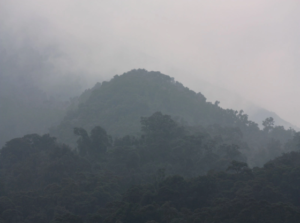
In Rwanda, the Virunga volcanoes rise above farmland and bamboo forest, their peaks often wrapped in clouds. The mist here has a dramatic quality, with Karisimbi, Bisoke and Sabyinyo emerging and vanishing as the morning unfolds. Gorilla families move across these slopes, and the combination of volcanic cones and drifting fog makes for some of the most iconic scenery in Africa.
Mgahinga Gorilla National Park, Uganda
The smallest of Uganda’s gorilla parks, Mgahinga lies on the slopes of three volcanoes. Mist often gathers around the bamboo and the Afromontane forest, creating a quiet, intimate setting. It is also a good place to look for golden monkeys, which share the misty habitat.
Virunga National Park, Democratic Republic of Congo
Virunga’s volcanic landscape offers equally striking misty scenery, though visitors should always check current security advice and travel only with experienced, licensed operators.
How Mist Shapes the Trekking Experience
The mist is beautiful, but it also changes the practical side of a gorilla trek.
- Cooler temperatures. Mornings can be chilly even in the dry season, so layers are essential.
- Slippery terrain. Moisture makes trails muddy and roots slick. Good boots and a walking stick make a major difference.
- Reduced visibility. Thick fog can hide the view, but it often lifts by mid-morning, revealing the hills in sudden, spectacular fashion.
- Atmospheric encounters. Seeing a gorilla family emerge from low clouds, with dew on their dark fur, is a scene many travelers describe as the highlight of their trip.
The mist is not an obstacle to your gorilla encounter. Trackers and rangers know the forest intimately and locate the families regardless of weather. The one-hour visit takes place in whatever conditions the day provides, and many visitors find the soft, diffused light flatters both the gorillas and the landscape.
Photographing Gorillas and Hills in Mist
Misty conditions reward photographers who plan carefully.
- Embrace soft light. Overcast, foggy conditions reduce harsh shadows and give gorilla faces and fur beautiful, even tones.
- Raise your ISO. The forest is dim, particularly under dense canopy. A camera that performs well in low light is a real advantage.
- Use a fast lens. A lens with a wide aperture helps capture sharp images without flash, which is not permitted near the gorillas.
- Protect your gear. Humidity and drizzle can damage equipment. Carry a waterproof bag, lens cloths and rain covers.
- Capture the landscape. Before and after the trek, photograph the valleys at sunrise, when mist is at its most layered and dramatic.
- Stay present. Take your photographs, then put the camera down for a few minutes. The experience deserves to be seen with your own eyes.
Best Time to Experience the Misty Hills
Mist can appear in any season, but certain periods show it at its best.
- Dry seasons (roughly June to September and December to February): Mornings are often crisp and clear above a sea of low cloud, with mist lingering in the valleys at dawn. Trails are easier and views are generally more reliable.
- Wet seasons (roughly March to May and October to November): The forest is lush and green, clouds hang heavier and the mood is moody and dramatic. Trails are muddier, but crowds are smaller and the scenery can be strikingly atmospheric.
Whichever season you choose, expect the weather to change quickly. Flexibility and good gear matter more than perfect timing.
What to Pack for Misty Highland Conditions
- Waterproof hiking boots with strong grip
- A lightweight, breathable rain jacket
- Warm layers for early mornings, plus long-sleeved shirts and trousers
- Gardening gloves for steadying yourself on vegetation
- Gaiters or long socks to keep out mud and insects
- A hat, sunscreen and insect repellent
- A waterproof daypack cover and dry bags for electronics
- A refillable water bottle and light snacks
Respecting the Forest and Its Inhabitants
The misty hills are fragile. Gorillas are vulnerable to human illness, and the forest depends on careful, low-impact tourism. Follow your guide’s instructions at all times, keep the required distance, speak quietly and never visit the gorillas if you are unwell. Choose operators and lodges that employ local staff, support nearby communities and minimize waste.
Your permit fee and the money you spend locally help fund ranger patrols, habitat protection and community projects. Responsible travel keeps those misty hills intact for the gorillas and for future visitors.
Key Takeaways
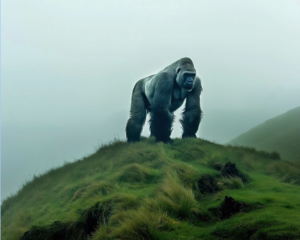
- Gorilla hills in mist are the result of high-altitude moisture, which sustains the lush forest that mountain gorillas depend on.
- The best-known misty gorilla landscapes are in Bwindi, Mgahinga, Volcanoes National Park and Virunga.
- Mist brings cooler temperatures, slippery trails and atmospheric scenery, so layered clothing and sturdy boots are essential.
- Soft, foggy light can produce beautiful gorilla photographs, provided you use a fast lens, higher ISO and weather protection.
- Both dry and wet seasons offer rewarding experiences, with the dry season easier underfoot and the wet season moodier and quieter.
- Responsible tourism, including following park rules and supporting local communities, protects the hills and the gorillas.
Conclusion
The image of gorilla hills in mist captures what makes mountain gorilla country so special. It is a landscape of cloud, volcano and deep green forest, shaped by moisture and home to one of the world’s most remarkable animals. A trek here rewards you twice: with the thrill of meeting a gorilla family and with the quiet beauty of hills appearing from the fog. Prepare well, dress for the weather, respect the rules and let the mist set the mood. Whether you visit in the dry or wet season, the experience will stay with you long after the clouds have lifted.
Frequently Asked Questions
- Why are the gorilla hills so misty?
The gorillas live at high altitude, where moist air rising from lowlands and lakes cools and condenses into cloud and fog. This keeps the mountain forest humid and green year-round. - Does mist make gorilla trekking harder?
It can make trails slippery and visibility lower, but experienced rangers and trackers locate gorilla families in all weather. Proper boots, layers and a walking stick make the trek manageable. - Will mist prevent me from seeing the gorillas?
No. Treks go ahead in mist and rain. Mist often lifts by mid-morning, and the gorillas are usually found regardless of conditions. - When is the mistiest time of year?
Mist is common in every season, especially in the early morning. The wet seasons, roughly March to May and October to November, tend to bring heavier clouds and a more dramatic atmosphere. - Is it possible to take good photos in foggy conditions?
Yes. Soft light is flattering for wildlife portraits. Use a fast lens, raise your ISO, avoid flash and protect your camera from moisture. - What should I wear on a misty trek?
Wear layers, including a waterproof jacket, long sleeves and trousers, sturdy waterproof boots, gloves and gaiters. Mornings can be cold, even when afternoons warm up. - Which park has the best misty scenery?
Bwindi and Volcanoes National Park are especially famous for atmospheric views. Bwindi’s Ruhija and Nkuringo sectors and Rwanda’s volcano backdrop are particularly popular with photographers. - How long do I get with the gorillas?
The standard visit is one hour once you reach the group, regardless of weather. This limit protects the animals and reduces stress and disease risk. - Is the mist a safety concern?
Not when you trek with licensed rangers. They know the terrain well and manage group safety carefully. Following their instructions is the best precaution. - How can I help protect the misty gorilla habitat?
Book with responsible operators, follow park rules, hire local porters and guides, avoid plastic waste and buy from local artisans. Your fees and spending directly support conservation.